Video game monetization in 2024: Valve’s strategies and player personalization
Learn how Valve is implementing innovative monetization strategies in 2024, focusing on personalization, player engagement, and creating value for the community.

Video game monetization in 2024
In the world of video games, monetization has always been a key aspect that determines not only the profitability of companies but also the players’ experience. In 2024, this topic has become even more relevant as the market is evolving at a rapid pace, and players are becoming increasingly discerning. Valve, one of the industry’s giants, continues to set trends and influence how games generate revenue.
Let’s take a closer look at Valve’s strategies and practices using their top projects as examples.
The evolution of monetization: From one-time purchases to continuous revenue
There was a time when everything was simple: players bought a game once and enjoyed it for as long as they wanted. However, with the advancement of technology and changing consumer habits, monetization models have become more complex. DLCs, microtransactions, subscriptions, and other revenue-generating methods have emerged.
Valve has always adeptly adapted to these changes. Their approach is based on a deep understanding of community needs and the ability to create additional value for players.
Steam as a monetization platform
Before diving into specific projects, it’s worth mentioning Steam — Valve’s digital platform that revolutionized the industry. Steam not only provides the ability to purchase and download games but also offers numerous tools for developers regarding monetization.
Key features of Steam:
- Sales and discounts: Regular sales stimulate players to make purchases, even if they hadn’t planned to.
- Steam community: The ability to trade items, create content, and participate in discussions increases user engagement.
- Steam workshop: A platform for mods and user-generated content, which often becomes an additional revenue source.
Dota 2: Microtransactions and esports as revenue drivers
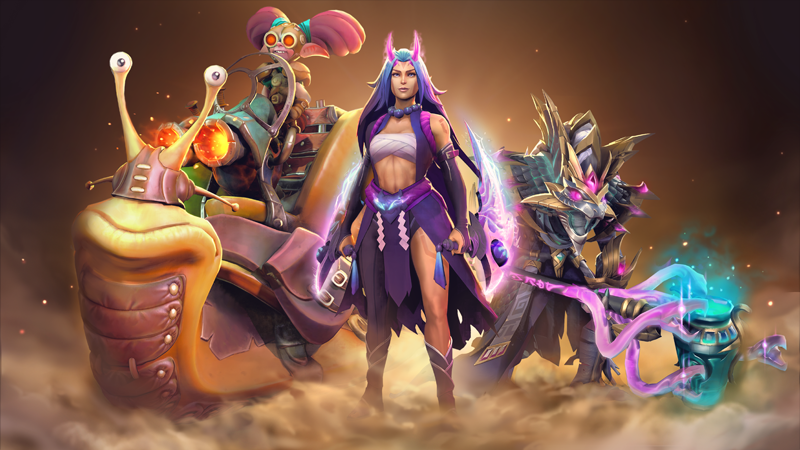
Dota 2 is one of the most popular MOBA games in the world, and Valve has found a unique way to monetize it without disrupting the game’s balance.
Microtransactions:
- Cosmetic items: Players can purchase skins for heroes, effects, and other visual elements. This doesn’t affect gameplay but allows for personal expression.
- Battle pass: Seasonal offers that provide access to exclusive content, challenges, and rewards.
Esports:
- The International: An annual tournament with a prize pool partially formed from Battle Pass sales. This motivates players to invest because they feel part of a significant event.
Counter-Strike: Global Offensive (CS) and Counter-Strike 2: Skin economy

CS, and now Counter-Strike 2, have become famous for their skin economy, which has almost become a separate industry.
Key Aspects:
- Case and key systems: Players can purchase keys to open cases containing random weapon skins. The element of chance stimulates interest and the desire to obtain rare items.
- Steam marketplace: The ability to sell and buy skins among players creates a real market with prices set by supply and demand.
- Collecting and investment: Some skins appreciate over time, attracting not only gamers but also collectors.
Artifact and lessons from failure
Not all Valve projects have been monetization successes. Artifact, a card game, serves as an example of how a wrong approach can alienate the community.
What went wrong:
- Paid access and microtransactions: The combination of a paid game with the need for additional expenses on cards was perceived negatively.
- Lack of value for players: Players didn’t feel they were getting enough for their money, leading to audience attrition.
New trends in monetization: What awaits us in 2024
In 2024, we can expect further development of existing models and the emergence of new approaches.
Possible directions:
- Subscriptions and services: A model similar to Netflix for games, where players get access to a library of games for a fixed fee.
- Cloud gaming: With the advancement of game streaming technologies, monetization opportunities can significantly expand.
- NFTs and blockchain: Integrating blockchain technologies to create unique digital assets may open new revenue paths.
The impact of regulation and public opinion
Game monetization often faces criticism, especially when it comes to microtransactions and loot boxes. Some countries are introducing laws regulating such practices.
Valve’s response:
- Transparency: Providing players with clear information about the chances of obtaining certain items.
- Self-regulation: Making changes to monetization systems to avoid violations and negative reactions.
Personalization and community engagement
Valve has always emphasized the importance of community in the success of their projects.
Strategies:
- Feedback: Active interaction with players, considering their wishes and criticisms.
- Support for user-generated content: Steam Workshop allows players to create their own content, which can be integrated into the game and become a revenue source for both the author and Valve.
Personalization of monetization
In today’s gaming world, personalization has become a key tool for attracting and retaining players. By collecting and analyzing data on user behavior, companies can offer individual proposals that match the specific interests and needs of each player. Valve actively uses this approach, integrating personalization into its monetization strategies.
Collecting player data
Valve gathers a variety of information about its users, including:
- Gaming preferences: Genres in which the player spends the most time.
- In-game behavior: Frequency of play, achievements, playstyle.
- Purchases: History of in-game item purchases, DLCs, skins.
- Social interactions: Friends lists, participation in communities, reviews.
Analysis and segmentation
The collected data is analyzed to identify patterns and segment players according to various criteria. This allows the creation of user profiles and the prediction of their needs.
Creating individual offers
Based on the analysis, Valve can:
- Recommend games and content: Suggest new releases or DLCs that might interest the player.
- Offer personalized discounts: Based on previous purchases or in-game activity.
- Implement individual events: Special events or quests available only to certain segments of players.
Benefits of personalization for Valve and players
For Valve:
- Increased sales conversion: Relevant offers increase the likelihood of purchase.
- Player retention: Personalized experiences encourage players to return to the game.
- Resource optimization: Focusing on the most profitable player segments.
For Players:
- Enhanced experience: Receiving content that is truly interesting and useful.
- Time savings: No need to search for new games or content on their own.
- Feeling valued: Players appreciate when a company takes their preferences into account.
Examples of Personalization by Valve
Steam Labs and interactive recommendations
Steam Labs offers experimental features like the “Interactive Recommender,” which uses machine learning to recommend games based on the user’s gaming habits.
Personalized sales
During major sales on Steam, players see individual offers with discounts on games and content that match their interests.
Individual in-game offers
In games like Dota 2 or CS, players may be offered special skins or bundles based on their game history and favorite characters or weapons.
Challenges and ethical aspects
- Data privacy: The collection and use of personal data raise privacy concerns. Valve must ensure robust data protection and comply with regulatory requirements such as GDPR.
- Risk of manipulation: There is a danger that personalization could cross the line and become a tool for pressuring players into unwanted purchases.
- Balance between personalization and intrusiveness: An excessive number of offers can annoy players. It’s important to find the optimal level of interaction.
Strategies for successful personalization
- Transparency and control: Providing players with the ability to see what data is being collected and control privacy settings.
- Value orientation: Offers should bring real benefits to the player, not just be a means to increase sales.
- Feedback: Active communication with the community to understand their needs and respond to criticism.
- Ethical approach:Adhering to ethical standards in data use and avoiding aggressive marketing practices.
Future prospects of personalization at Valve
With the development of artificial intelligence and machine learning technologies, the possibilities for personalization will only grow. Valve may implement:
- Augmented Reality (AR) and Virtual Reality (VR): Creating personalized VR experiences tailored to each player.
- Predictive analytics: Anticipating players’ future needs and offering relevant content in advance.
- Integration with other platforms: Sharing data with social networks or other services for an even more accurate understanding of the player (while respecting privacy).
Final thoughts
Monetization of video games in 2024 continues to be a complex and multifaceted topic. Valve demonstrates how business goals can be successfully combined with player interests. The key is creating value and a unique experience that players are willing to support financially.
With the advancement of technology and changing player expectations, it’s important to remain flexible and innovative. Valve sets an example of how adaptation and attentiveness to the community can lead to long-term success.
We can only hope that other companies will also follow this approach, making the video game industry even more exciting and beneficial for all participants.