Forgotten nuclear disaster inspires video game Atomfall
Inspired by the 1957 Windscale fire, Atomfall turns a forgotten UK nuclear disaster into a gripping sci-fi game set in Cumbria’s Lake District, blending real history with eerie fiction.

Photo: Atomfall
Fukushima. Three Mile Island. Chernobyl. Places that will forever be remembered as nuclear disasters. Most people have heard of them. But fewer people know about the Windscale fire. It was one of the world’s first – and remains the UK’s worst – nuclear accidents. A nuclear reactor at a site in Cumbria caught fire and burned for three days, spewing radioactive material into the atmosphere. Many details of the event were hushed up for decades, and it is far less well-known than some of the more recent examples. But a new video game has brought the disaster and the area where it happened back into the spotlight, the BBC has reported.
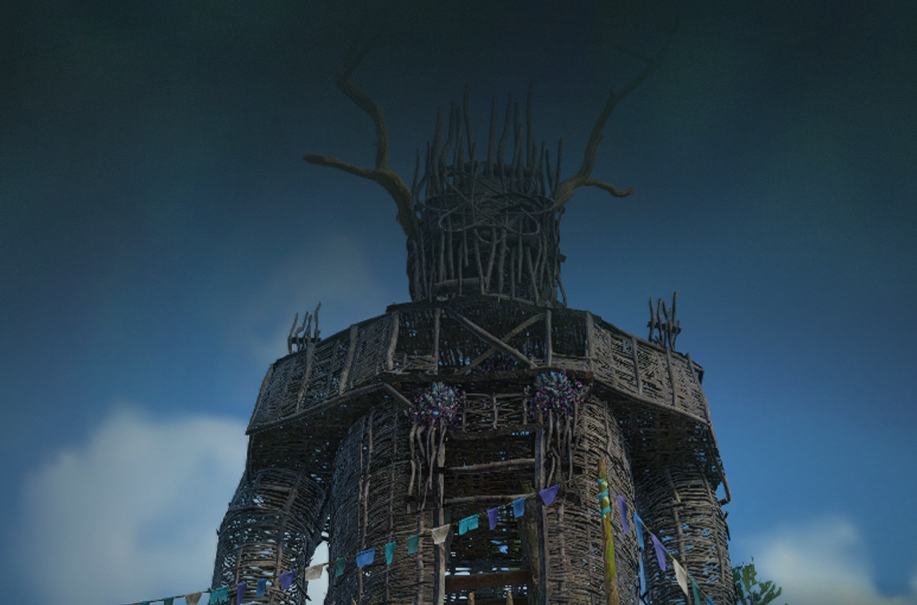
Atomfall is the latest release from Oxford-based company Rebellion, best known for its long-running Sniper Elite series. CEO Jason Kingsley tells BBC Newsbeat that he was walking around the Lake District when the idea of using the real-life story of Windscale “as a trigger point for a fictional version of the disaster” began to take shape. Atomfall is set in the verdant landscapes of this beautiful location, but in an alternate timeline inspired by science fiction, where the area around the plant has become a quarantine zone.
Windscale disaster
“In real life, things went wrong, but they were under control,” says Jason. “It was a real disaster, but it didn’t lead to strange glowing plants or mutants or dangerous cults.” While the Windscale fire was “very serious,” Jason says it’s not something that’s particularly well-remembered, even by locals. An estimated 240 cases of thyroid cancer were caused by the radioactive leak, and all milk produced within 310 square miles (800 square kilometers) of the fire was destroyed within a month of the fire. Windscale was eventually renamed Sellafield and produced nuclear power until 2003. It still employs around 10,000 people in the area. When Newsbeat visits Cumbria, most of the young people we speak to say they have not heard of the disaster.
And indie game developers Hannah Roberts and Harry Howson say they have become more aware of it since the game was announced. For two such people hoping to break into the games industry, they are delighted to see a game set in the place where they live. Hannah, 26, says it is clear that the makers of Atomfall have done their research. “The real setting is perfect, they have fantastic Morris dancing – it really tickled my fancy when I saw it,” she says. Hannah says other little details, like the black and white Cumbrian signposts, were also nice to see.
Atomfall’s setting and inspiration have made it a highly anticipated title since it was announced last year, and Harry, 23, says it’s inspiring. “Seeing a small space like Cumbria can be taken over by the games industry and built on it, and people are receptive to it, it’s an exciting future and I’m looking forward to what’s next for me,” he says. It’s quite unusual for big-name UK games to be set outside of London. While indie games like Shropshire-based Everybody’s Gone to the Rapture and last year’s Barnsley Laughter Festival, thank goodness you’re here! – ventured further north, the bigger games didn’t tend to venture beyond the M25.
Atomfall offers a themed game
Jason says the US accounts for around 40% of the video game market, so it’s important to attract players there, and there’s a “natural tendency” to stick to the norm. As an independent company, he believes Rebellion has the opportunity to do things differently, and Britain offers plenty of inspiration for new environments – if you’re willing to look for it. “The UK, I think to understand certain aspects of our culture you have to go into it a bit, because we tend to underestimate things a lot.” Lead designer Ben Fisher says the aim was to create a “somewhat themed” version of the Lake District, with accurate detail. “There are things that we as locals can easily forget that are unique to Britain, that are unusual,” he says.
The team that worked on the game has members from different countries, says Ben, which helped to highlight things that natives in the UK might have missed. “The lead artist on the project is from Seattle and he was fascinated by the dry stone walls,” says Ben. He adds that the team spent time recreating structures that are built without mortar to “capture those local details.” Depicting a place in a film or TV show can bring a new audience to the place. “Ultimately, what’s incredibly rewarding about this industry is that you can publish your ideas and people from all over the world can play them,” says Jason. “And you know, it’s great to talk about the Lake District to people who live in Africa, or Southeast Asia, or Canada, or wherever. “It’s a form of soft power that very few types of media have.”