The Impact of Your Time Spent on Brain Training: A New Study Reveals Age-Defying Benefits
Recent scientific research has confirmed that brain-training games can significantly mitigate the impacts of aging on cognitive function. According to a new study, engaging in these mental exercises may counteract as much as ten years of age-related decline, particularly benefiting individuals who have dedicated substantial time to such activities.
The pivotal discovery of the research indicates that spending 30 minutes a day on challenging brain tasks increases levels of acetylcholine—an essential neurotransmitter involved in learning, memory, and attention. As people age, acetylcholine levels typically decrease.
The study observed 95 participants over the age of 65 for a period of ten weeks, revealing a 2.3% increase in acetylcholine levels among those who undertook daily brain training. While this percentage may seem minor, it is significant when considered alongside the typical decline of 2.5% per decade due to aging; thus, brain-training may effectively counteract a decade’s worth of decline.
However, it’s crucial to note that not all games yield these beneficial effects. Only those specifically crafted to stimulate cognitive functions, similar to the original brain-training titles, were effective. Many participants who engaged with games like Candy Crush or solitaire showed no change in acetylcholine levels.
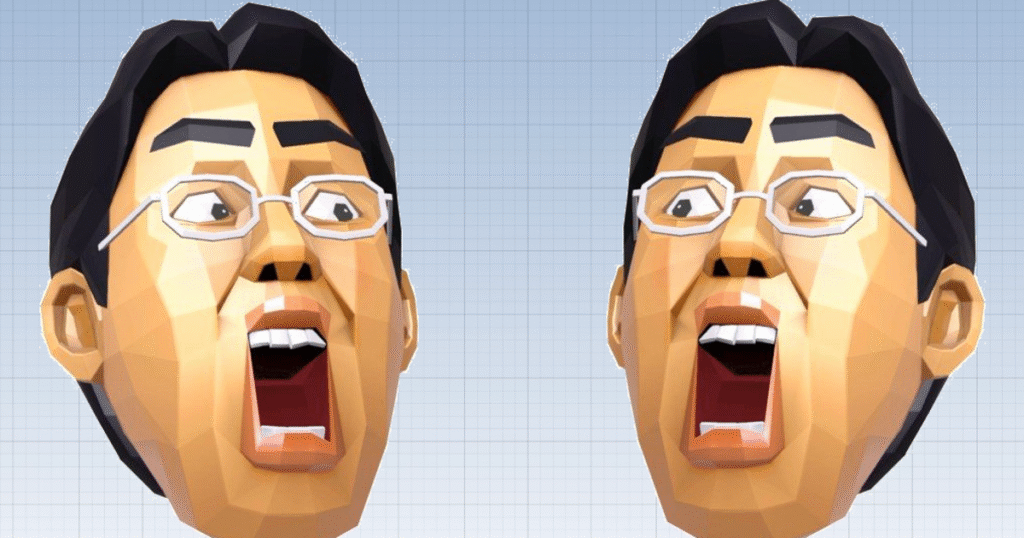
Dr. Ryuta Kawashima, the neuroscientist whose expertise shaped these brain-training games, has long focused on enhancing cognitive abilities and preventing dementia. His work was aimed precisely at achieving the kinds of cognitive improvements now validated by this recent study.
The concept of brain training debuted in 2006, featuring a variety of mental challenges encompassing mathematics, memory skills, and more. Players would engage with these tasks daily, receiving scores reflecting their performance. The original game received a high rating in evaluations and subsequently led to multiple sequels and a Nintendo Switch version released in 2020.