The success story of Blizzard Entertainment: How the company changed the world of video games
Discover the history of Blizzard Entertainment, the company that changed the world of video games with innovative projects like Warcraft, StarCraft, Diablo, and Overwatch. From its founding to its success in esports, read about how Blizzard has influenced the gaming industry.

The success story of Blizzard Entertainment: How the company changed the world of video games
Blizzard Entertainment is a name synonymous with quality and innovation in the video game industry. The history of this company is a story of dedication to its fans, unwavering attention to detail, and a constant commitment to excellence. Let’s dive into the world of Blizzard and explore how this studio managed to change the world of video games forever.
The birth of a legend: The founding of Blizzard
Blizzard Entertainment began its journey in 1991 under the name Silicon & Synapse. Three students from the University of California — Mike Morhaime, Frank Pearce, and Allen Adham — founded the company with a dream of creating games that would leave a mark on history. In its early years, the studio mainly focused on developing game ports for other platforms, including popular hits of the time. However, deep down, the founders always aspired to create their own products.
The first few years were challenging. The gaming industry was unstable, and competing with big players was tough. Nevertheless, Silicon & Synapse always stood out for the high quality of their work. This led to the company changing its name to Blizzard Entertainment in 1994 — and from that moment, a new era began.
Early successes: Warcraft and StarCraft
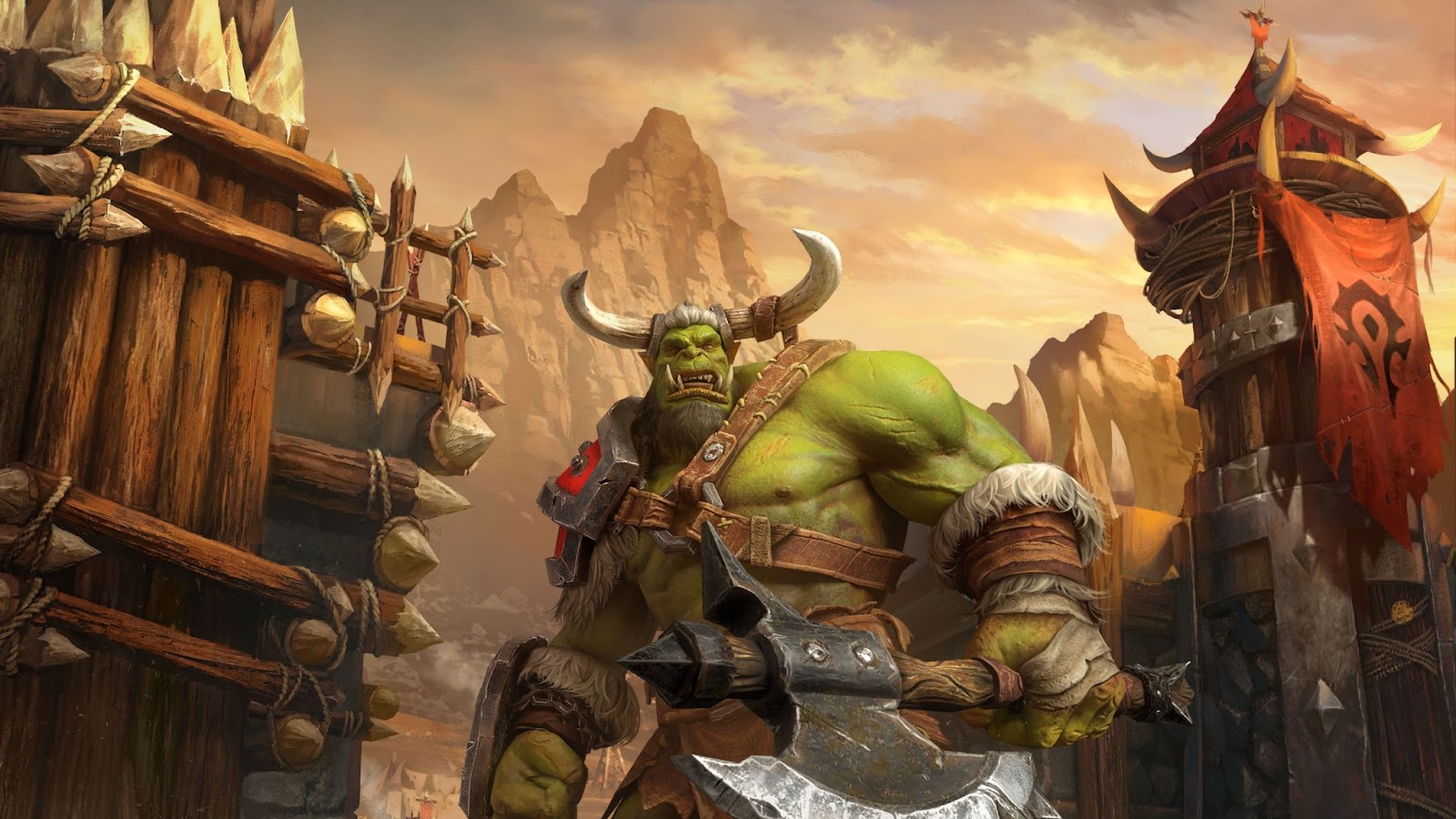
Blizzard gained recognition after the release of its first game Warcraft: Orcs & Humans in 1994. This game was revolutionary for the real-time strategy (RTS) genre. It combined an engaging storyline, state-of-the-art graphics for its time, and captivating gameplay. Players were amazed by the ability to control armies of orcs and humans, develop their bases, and fight for domination over the fantasy world of Azeroth. Warcraft opened the door to Blizzard’s future major projects.
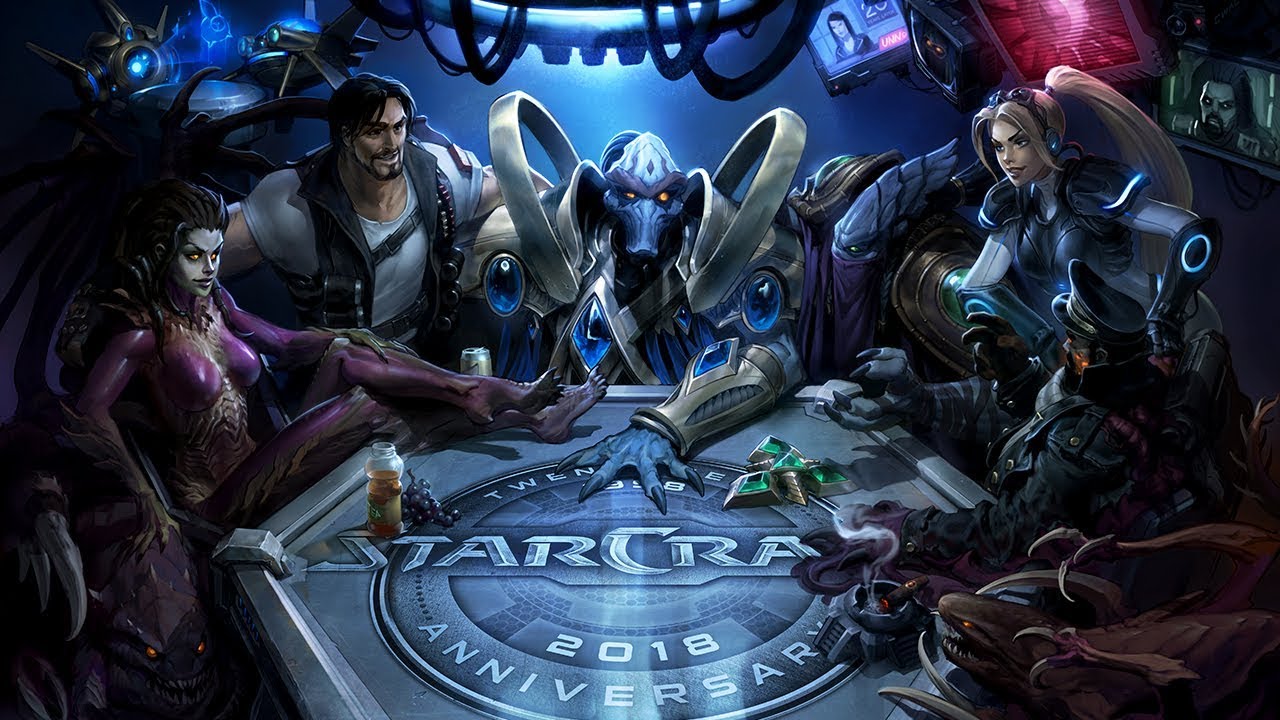
The next key event was the release of StarCraft in 1998. The game introduced a new, sci-fi world with three unique races — Terrans, Zergs, and Protoss. StarCraft became a cult game that cemented Blizzard’s position as one of the leading RTS developers. Moreover, the game helped elevate esports to a new level, especially in South Korea, where StarCraft became a national pastime.
The dream city: Creating the World of Azeroth
However, the true jewel in Blizzard’s crown was World of Warcraft (WoW), released in 2004. This game changed not only the industry but the lives of millions of players worldwide. World of Warcraft became the biggest and most successful MMORPG of all time. Players from all over the world converged in one virtual world where they could explore the vast world of Azeroth, complete quests, form guilds, and battle epic foes.
WoW became more than just a game — it became a social phenomenon. Players made friends, found love, and some even married in real life after meeting in the game. Blizzard created such a detailed and vibrant world that players kept coming back to it time and time again.
A period of innovation: Diablo, Hearthstone and Overwatch
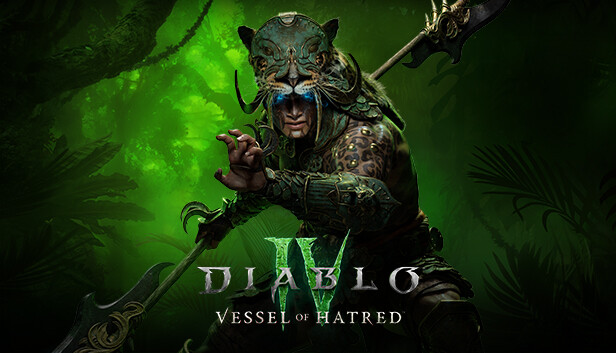
Blizzard didn’t stop there and continued to delight its fans with new projects. In 1996, the company released Diablo — another iconic game that set a new standard for the action RPG genre. Players could immerse themselves in a dark and dangerous world, battle hordes of demons, and hunt for valuable loot. Diablo received several sequels, each bringing something new while always preserving the spirit of the original.
In 2014, Blizzard released Hearthstone — a digital collectible card game based on the Warcraft universe. Hearthstone became a true hit, combining the simplicity of gameplay with the depth of strategic thinking. The game was accessible to casual players and professional esports athletes alike, making it one of the most popular card games in the world.
Another significant step forward was the release of Overwatch in 2016 — a team-based first-person shooter. Overwatch quickly gained popularity thanks to its vibrant characters, dynamic gameplay, and emotional connection with players. The game was praised by both players and critics, becoming one of the leading games in the genre.
Challenges and new horizons
However, like any major company, Blizzard has had its share of difficulties. Criticism for slow updates in some games, issues with community management, and even internal scandals have all been challenges for the company.
For example, Diablo Immortal, announced in 2018, was met with some disappointment from fans as it was a mobile game rather than a new installment of the series for PC. This highlighted the importance of communication with fans and managing their expectations.
It’s also worth noting that Blizzard has always been a company that values its player community. They regularly host large events, such as BlizzCon — an annual convention where fans can meet the developers, learn about upcoming projects, and even try them out first. BlizzCon has become a gathering place for gamers from all over the world, where they can feel part of the larger Blizzard family.
Blizzard’s legacy: Impact on the gaming industry
Blizzard Entertainment has had a massive impact on the modern gaming industry. Their games have set standards for genres, established trends, and created vast player communities. Games like Warcraft, StarCraft, Diablo, World of Warcraft, and Overwatch have become iconic and left an indelible mark on history.
Blizzard has always strived to create games that are not only engaging but also visually stunning. They pay great attention to detail, crafting complex storylines, well-thought-out game mechanics, and unique worlds. This approach has made their games not just entertainment but true works of art.
Blizzard and esports: Conquering the global arena
Esports, or competitive gaming, has become an integral part of modern culture, and Blizzard Entertainment has played a key role in its development. From the very beginning, the company not only created games but also actively fostered a competitive spirit among players. Let’s explore how Blizzard managed to conquer the global esports arena.
StarCraft
One of the first games to become a true esports phenomenon was StarCraft. Released in 1998, this sci-fi real-time strategy game became extremely popular worldwide, but it held a special place in South Korea.
StarCraft quickly gained the status of a national sport in Korea, where competitions were broadcast on television, and professional players became major celebrities. Blizzard actively supported the development of professional leagues, providing tools for organizing tournaments and collaborating with major esports organizations.
The cult status of StarCraft helped lay the foundation for the development of esports as a global phenomenon. Players competed for prestigious titles and substantial prize pools, contributing to the creation of a new, professional ecosystem for competitive video gaming.
Warcraft III
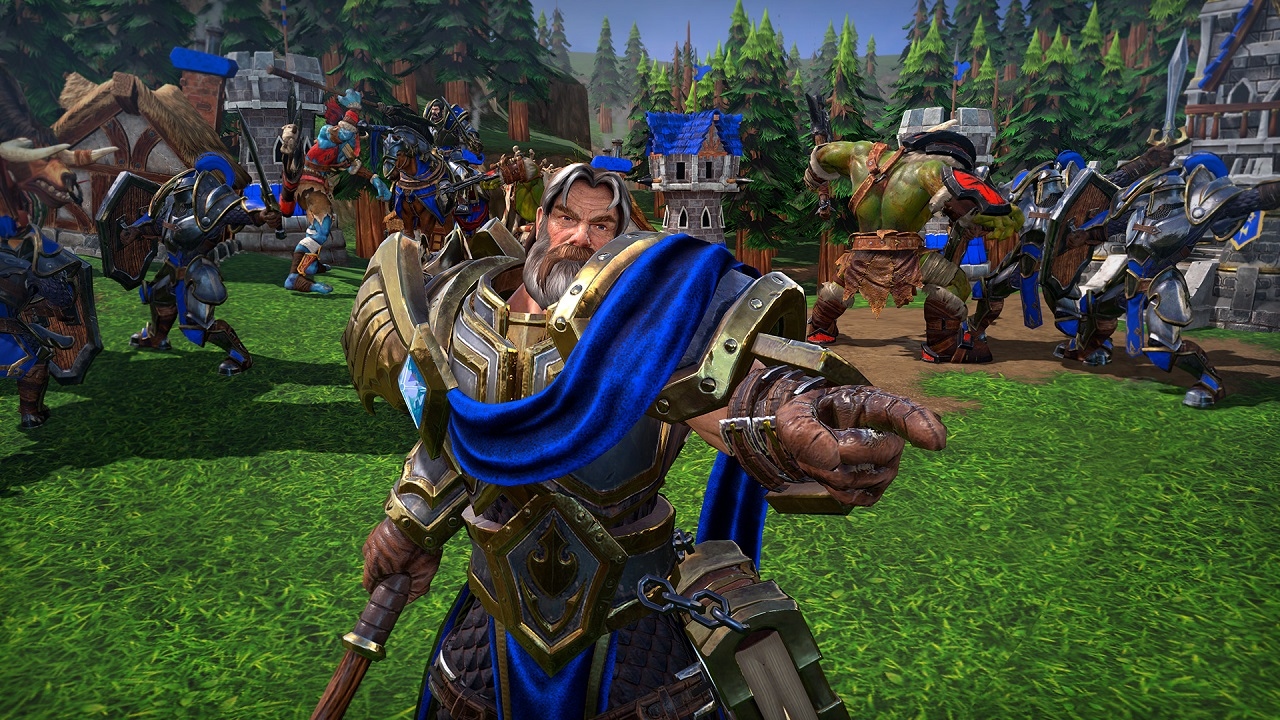
The next significant step for Blizzard in esports was the release of Warcraft III in 2002. This real-time strategy game introduced new elements, such as hero management, making the gameplay even more dynamic and strategic.
Warcraft III also laid the groundwork for one of the most popular esports genres — MOBA (Multiplayer Online Battle Arena). It was from a Warcraft III modification called Defense of the Ancients (DotA) that games like Dota 2 and League of Legends later emerged, becoming leaders in the esports arena.
Blizzard supported the Warcraft III esports scene by organizing official tournaments and leagues. This game allowed many new talents to make a name for themselves on the global stage and helped shape a new generation of esports professionals.
StarCraft II
The release of StarCraft II in 2010 marked yet another significant milestone in the development of esports. Blizzard created a sequel to the legendary game, adding modern graphics, new mechanics, and a deep storyline. The game quickly became a hit, attracting millions of players worldwide.
Blizzard actively promoted StarCraft II as an esports discipline, organizing a series of tournaments, including the World Championship Series (WCS). WCS became one of the most prestigious leagues in the world of esports, where players competed for large prize pools and world championship titles.
Thanks to StarCraft II, esports gained even more popularity on the international stage. Blizzard managed not only to maintain the success of the first installment but also to expand the franchise’s influence to new markets.
Overwatch
In 2016, Blizzard released Overwatch, a team-based first-person shooter that immediately became a hit and gained immense popularity. Overwatch stood out for its vibrant characters, diverse playstyles, and emphasis on teamwork. The game quickly won over players, and Blizzard decided to make it a key esports discipline.
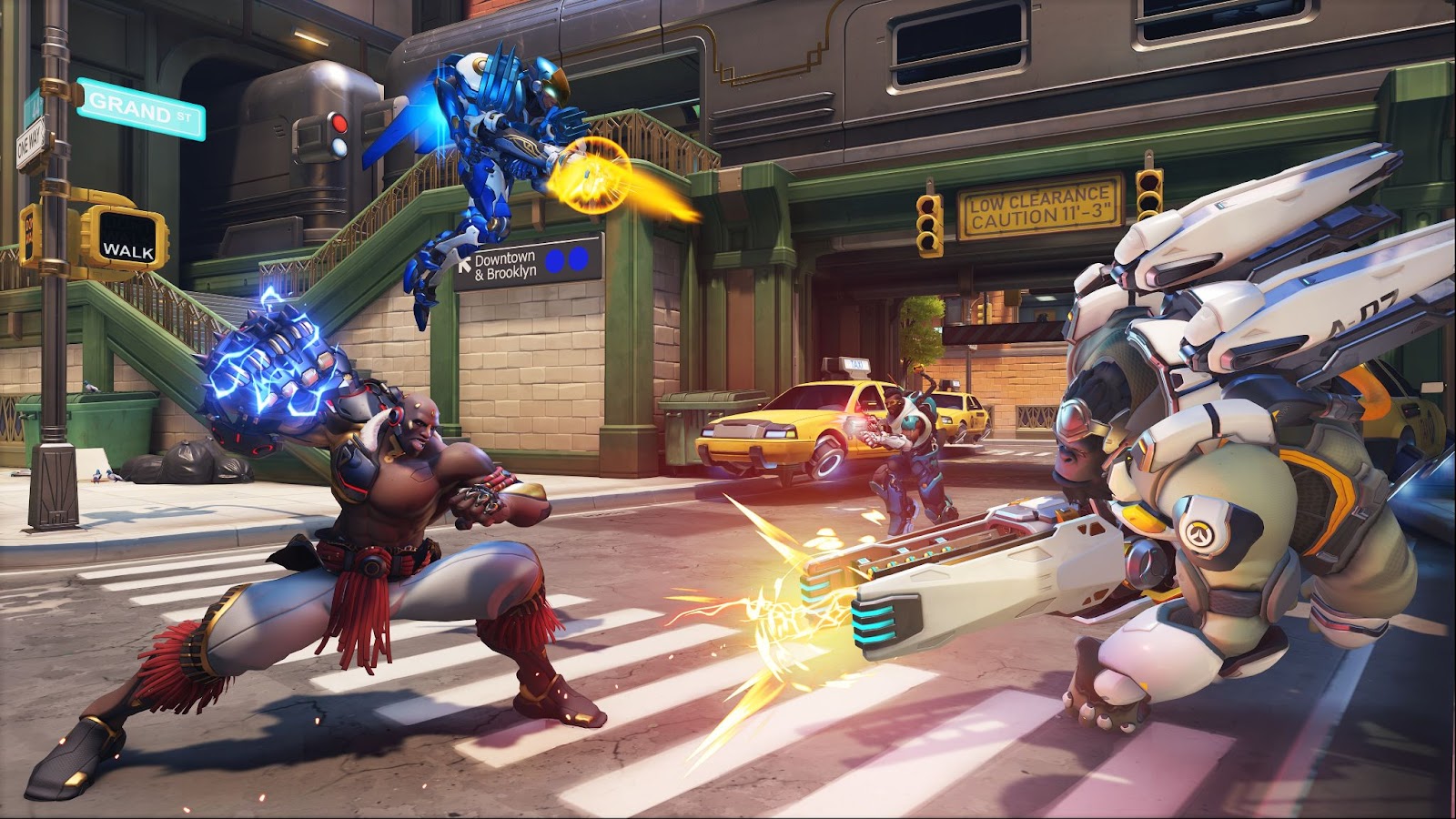
Blizzard launched the Overwatch League (OWL) in 2018 — one of the first global esports leagues to adopt a franchise model. The league included teams from various cities worldwide, making it more similar to traditional sports leagues like the NBA or NFL. OWL became a benchmark for organizing esports competitions, attracting significant investments and attention from viewers around the world.
Challenges and issues in Blizzard’s esports endeavors
Despite its successes, Blizzard faced several challenges in its esports activities. For example, at a certain point, StarCraft II began losing popularity compared to newer games like League of Legends and Dota 2. Blizzard was also criticized for slow updates and a lack of new tournaments.
Additionally, Overwatch League, despite its strong start, encountered difficulties such as player attrition and declining audience interest. This underscores that even major players like Blizzard must constantly adapt to changes in the esports industry to remain relevant.
New challenges and the future
Today, Blizzard continues to work on new projects and support existing games. They understand that the industry is constantly evolving, and to maintain leadership, they must continually adapt to new realities. The past few years have brought many changes, including a merger with Activision, which has brought new opportunities but also challenges.
In particular, in the summer of 2023, Warcraft: Arclight Rumble was announced — a mobile game that promises to bring the spirit of Warcraft into a new format. This shows that Blizzard aims to adapt to modern trends and remain relevant among new generations of players.

Despite all the challenges and changes, Blizzard Entertainment remains one of the most respected companies in the video game industry. Their legacy is enormous, and their influence on gaming culture is undeniable. They have created worlds that unite millions of players, inspire them, and provide unforgettable experiences.
Blizzard Entertainment is a company that has managed to change the world of video games. From its early steps in 1991 to today, they have created games that have become legends and impacted the lives of millions of people. The history of Blizzard is a story of success, innovation, and tireless work on creating something greater than just a game. It is the story of a company that has always strived for excellence and created worlds that players want to return to again and again.